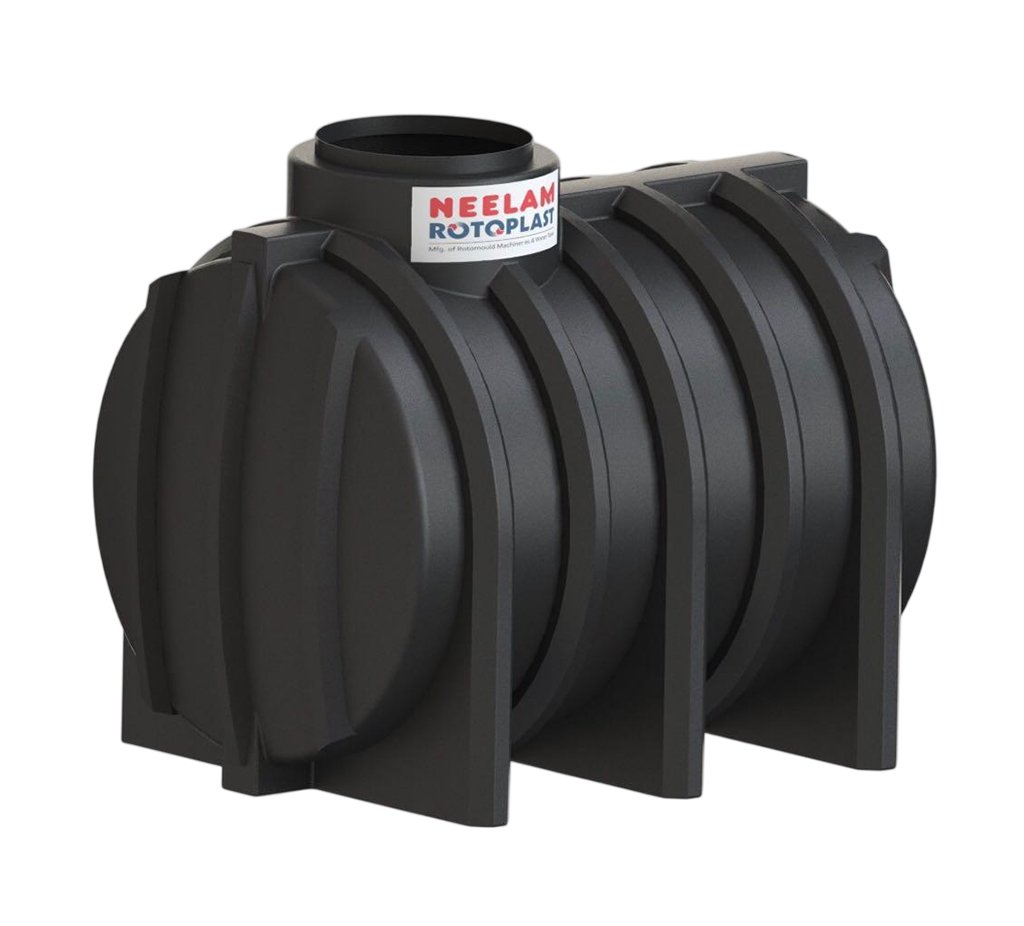
Rotational Rotomoulding Moulds

Rotational molding is widely recognized for its ability to manufacture durable hollow plastic products used in industries such as water storage, agriculture, construction, and transportation. A crucial component in this manufacturing process is the rotational rotomoulding mould, which determines the shape, design, and structural characteristics of the final plastic product.

Rotomoulding moulds are engineered metal tools designed to withstand repeated heating and cooling cycles during the molding process. These moulds allow plastic powder to melt and coat the inner cavity evenly while the mold rotates along two axes. The accuracy and quality of the mould directly influence the strength, finish, and dimensional accuracy of the molded product.

Because of their importance in production, rotomoulding moulds must be manufactured with precision engineering, durable materials, and proper thermal design. A well-designed mould ensures efficient material distribution, consistent wall thickness, and reliable long-term performance in plastic manufacturing operations.

Rotational Rotomoulding Moulds

Understanding Rotational Rotomoulding Moulds

Rotational rotomoulding moulds are specialized tools used to create hollow plastic components through the rotational molding process. These moulds form the cavity in which polymer powder melts and spreads during the heating and rotation cycle.

Unlike molds used in injection or blow molding, rotomoulding molds operate without high pressure. Instead, they rely on heat and slow rotation to distribute molten plastic across the internal surfaces of the mold cavity. This allows manufacturers to produce seamless hollow products with uniform structural properties.

Rotomoulding moulds are typically manufactured using materials such as mild steel, aluminum, or stainless steel, depending on the type of product and production requirements. Each mould is designed with careful consideration of product geometry, wall thickness, cooling behavior, and release mechanisms to ensure efficient manufacturing.

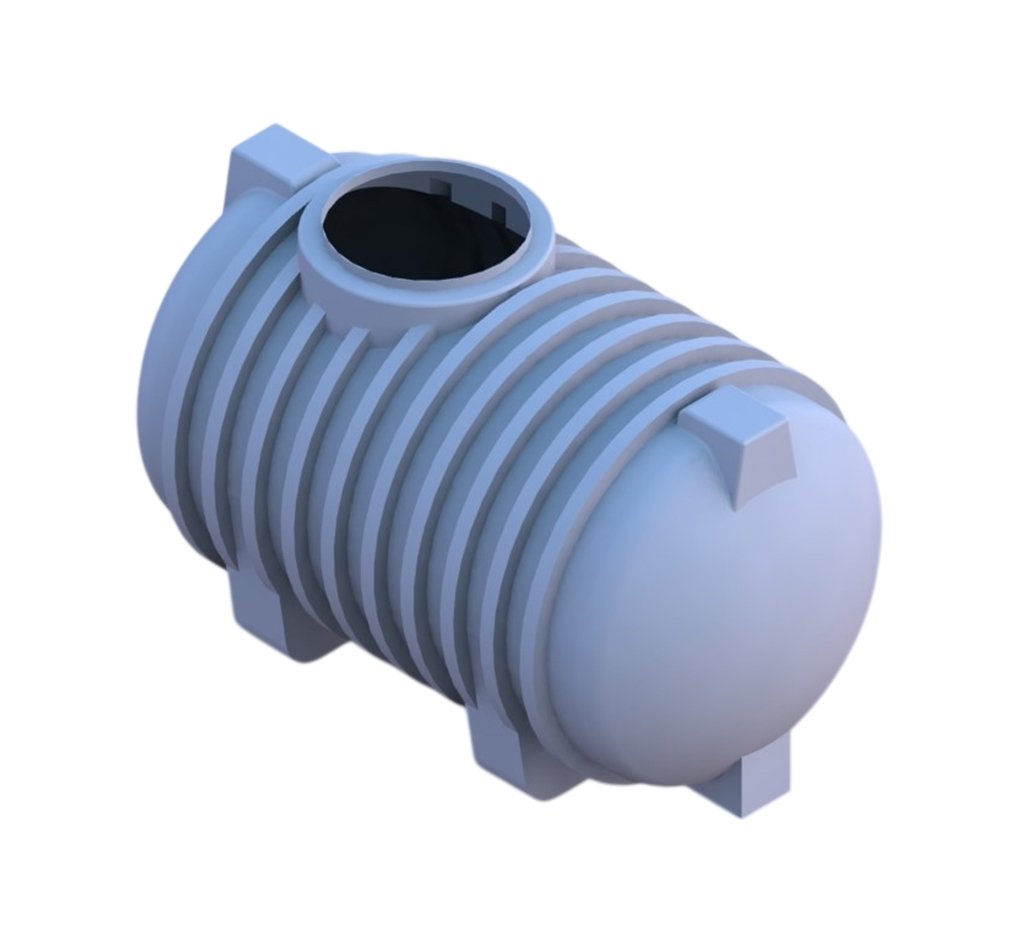
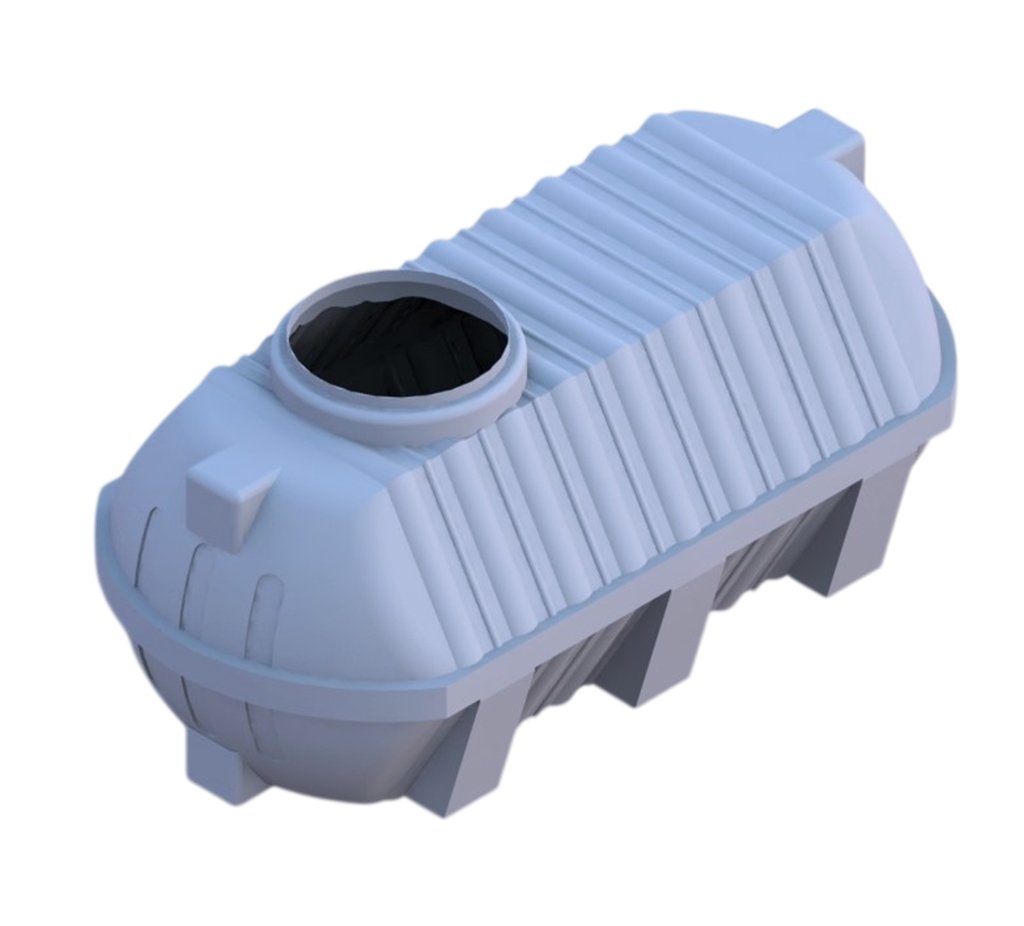
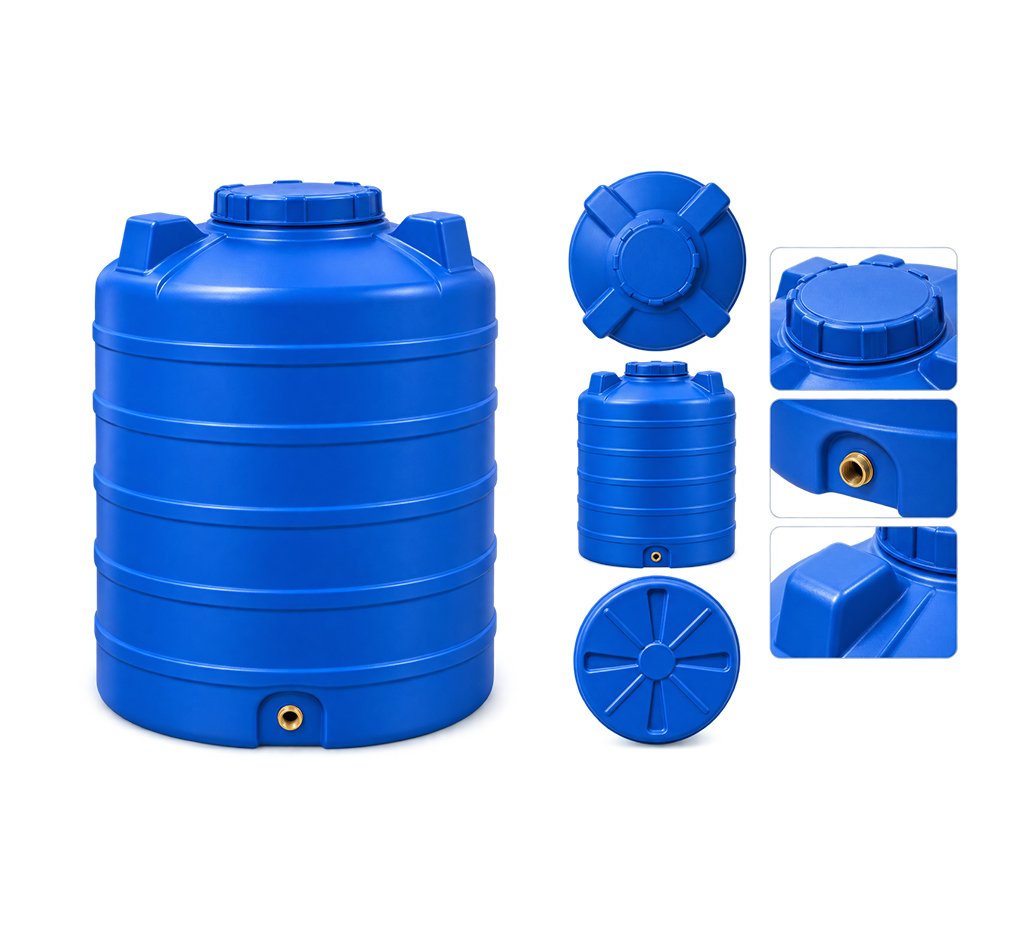
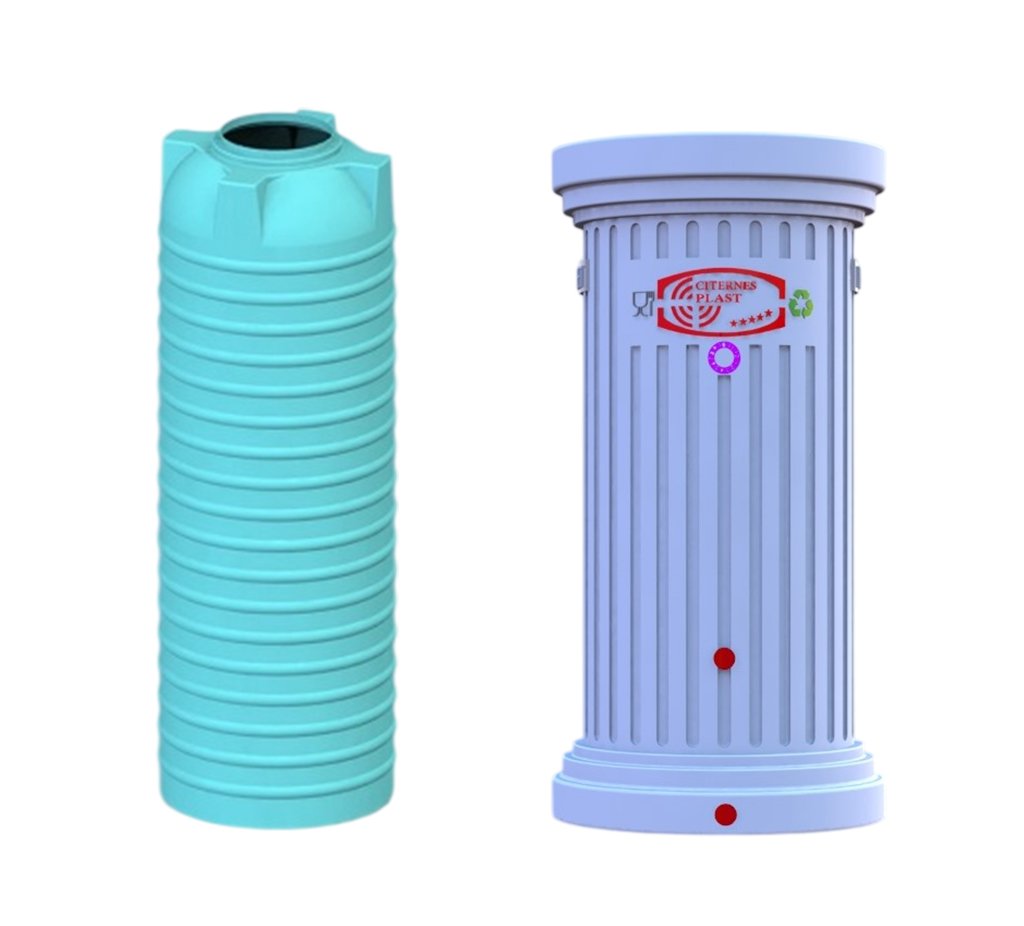
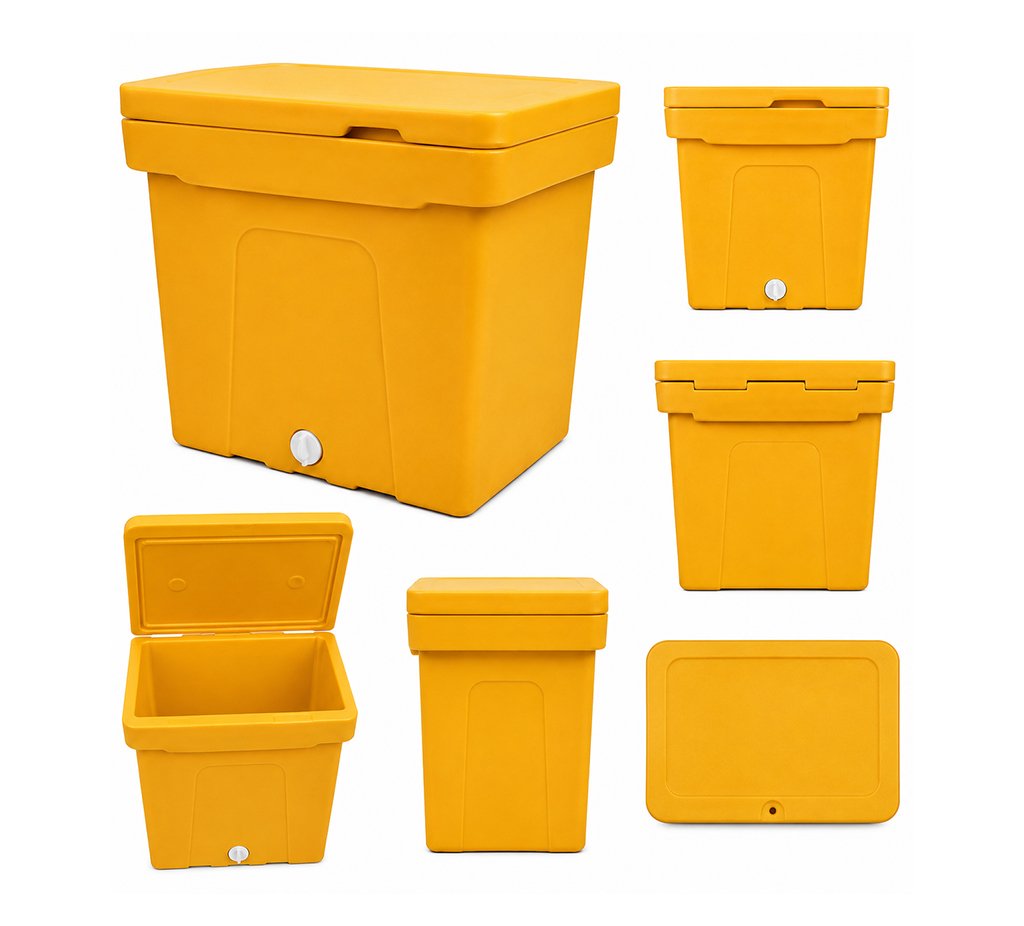
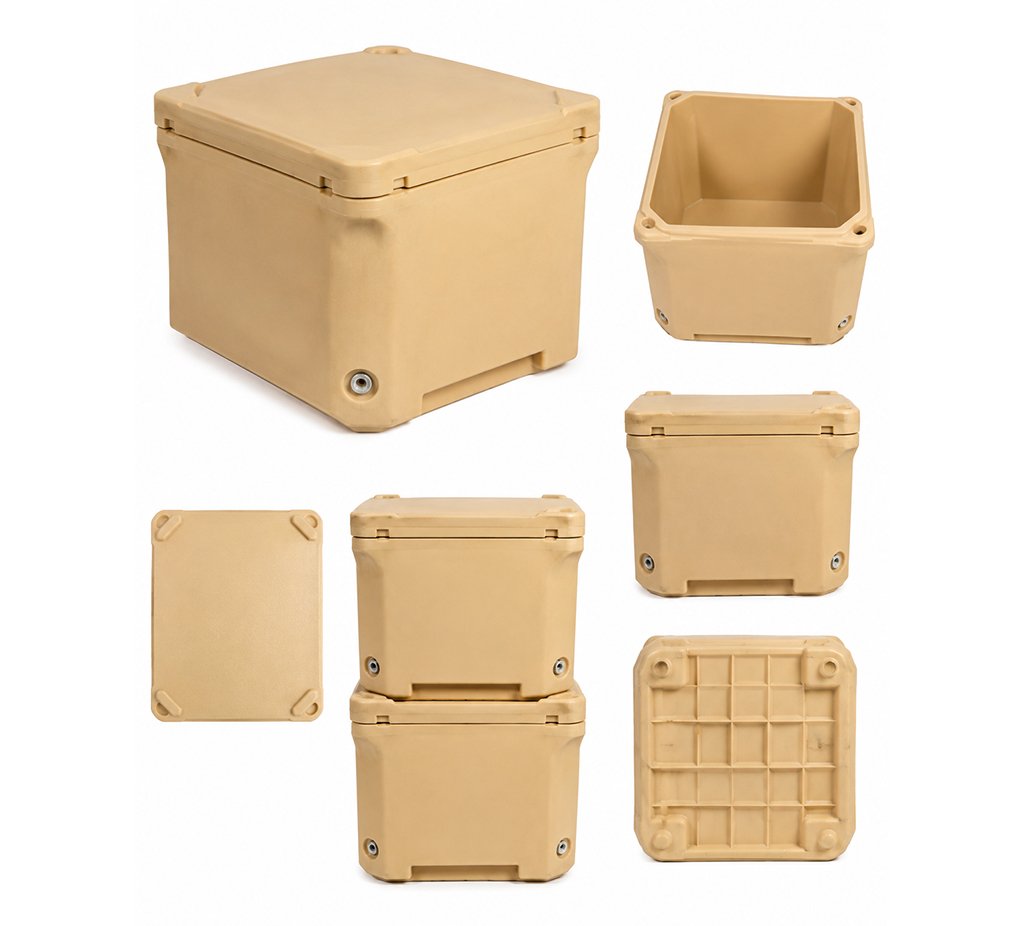
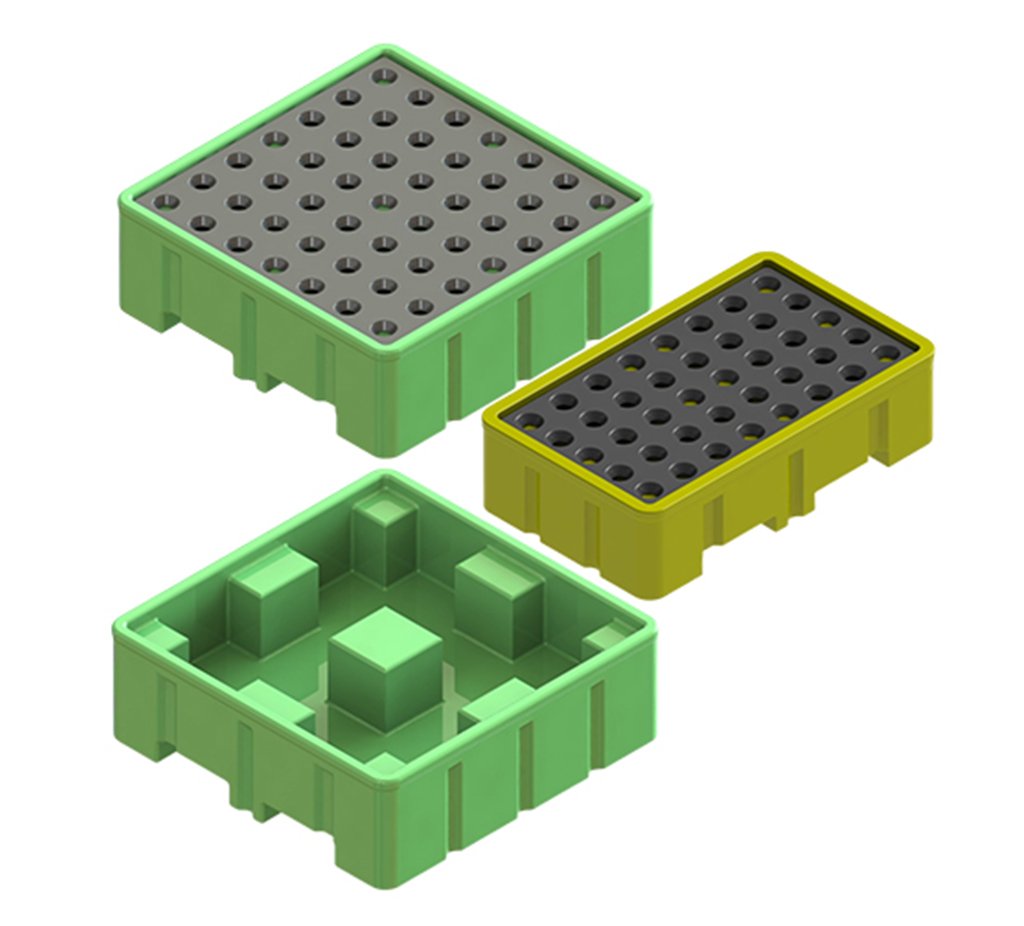
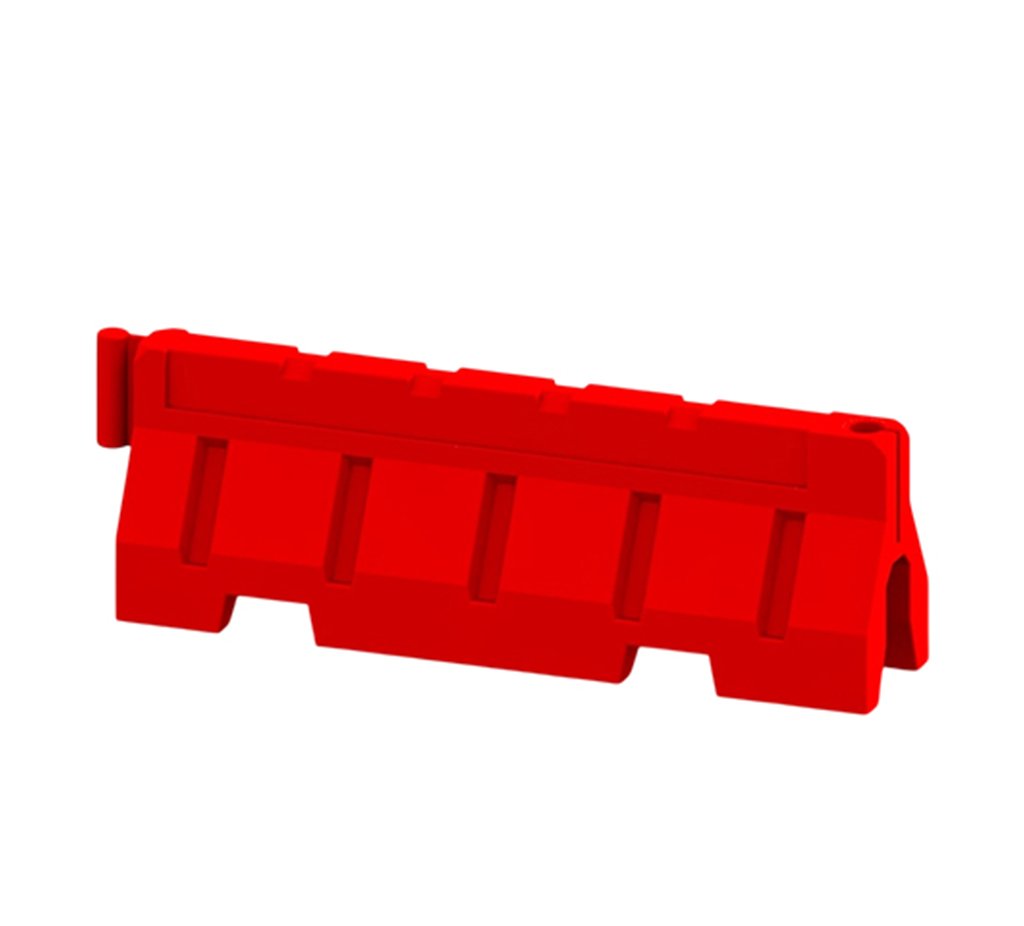
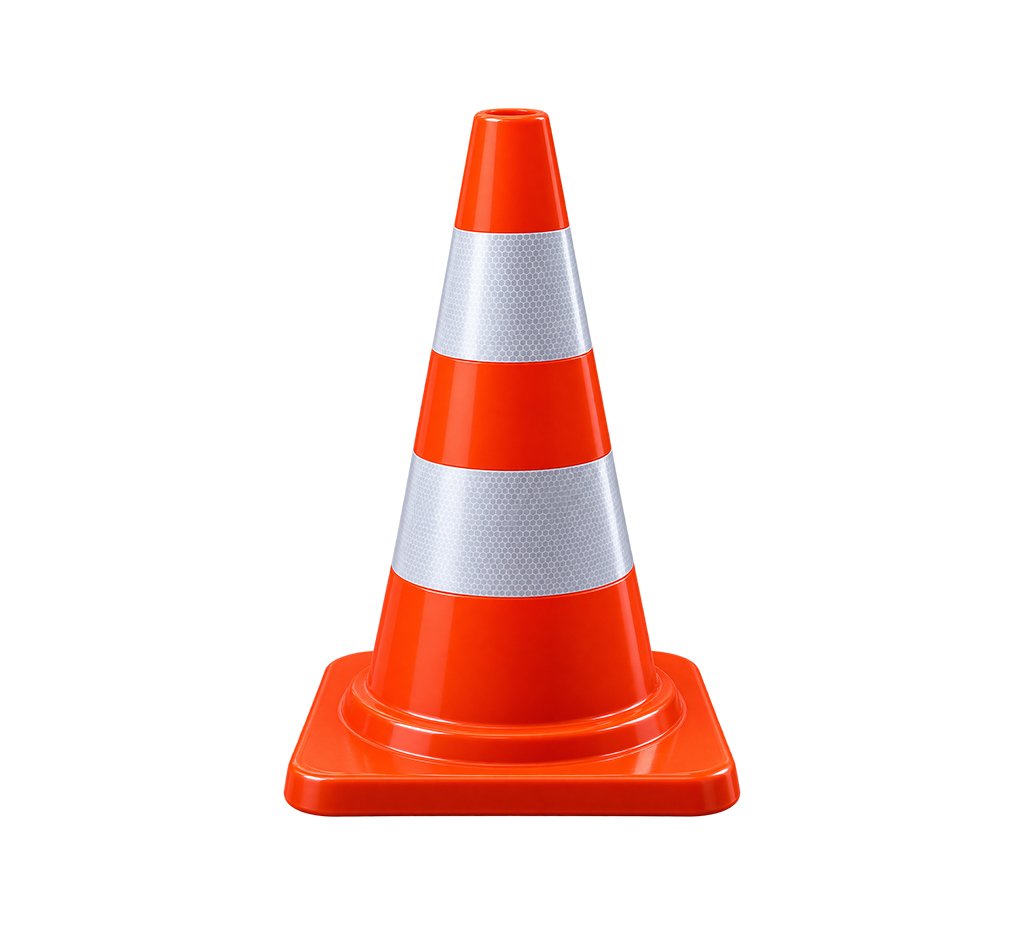
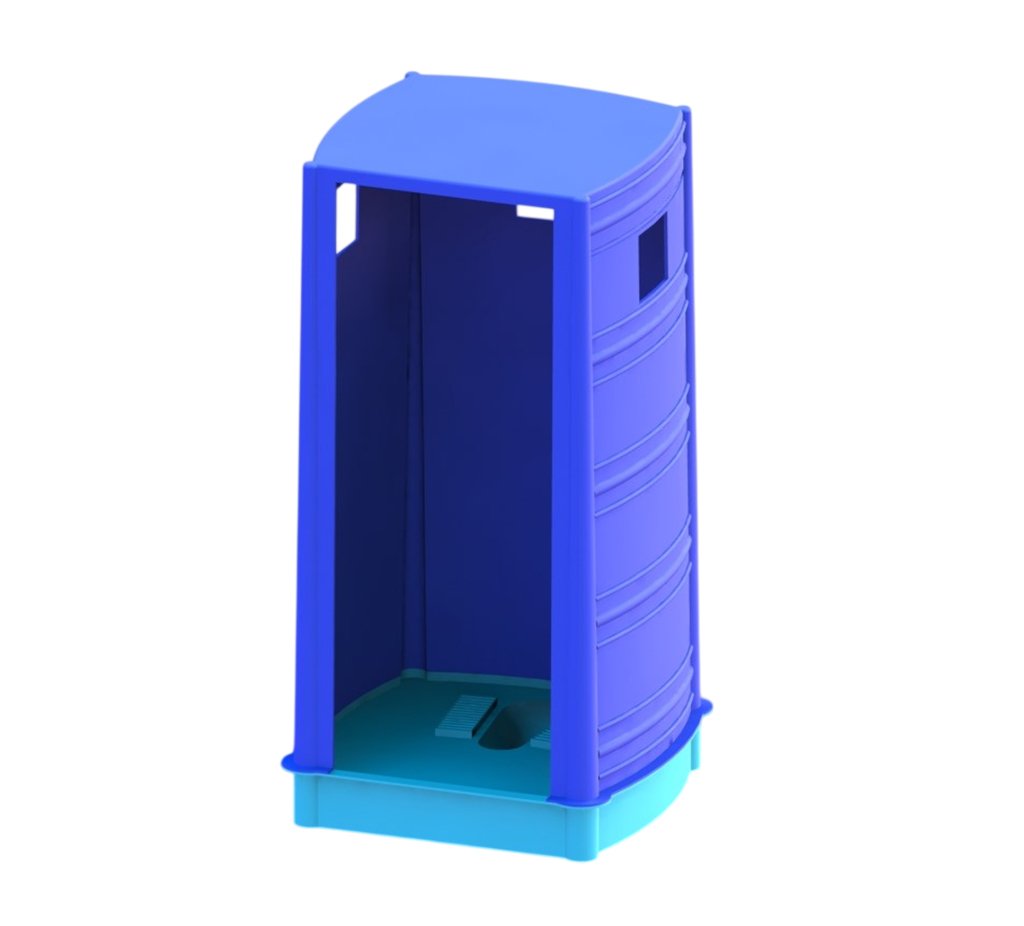
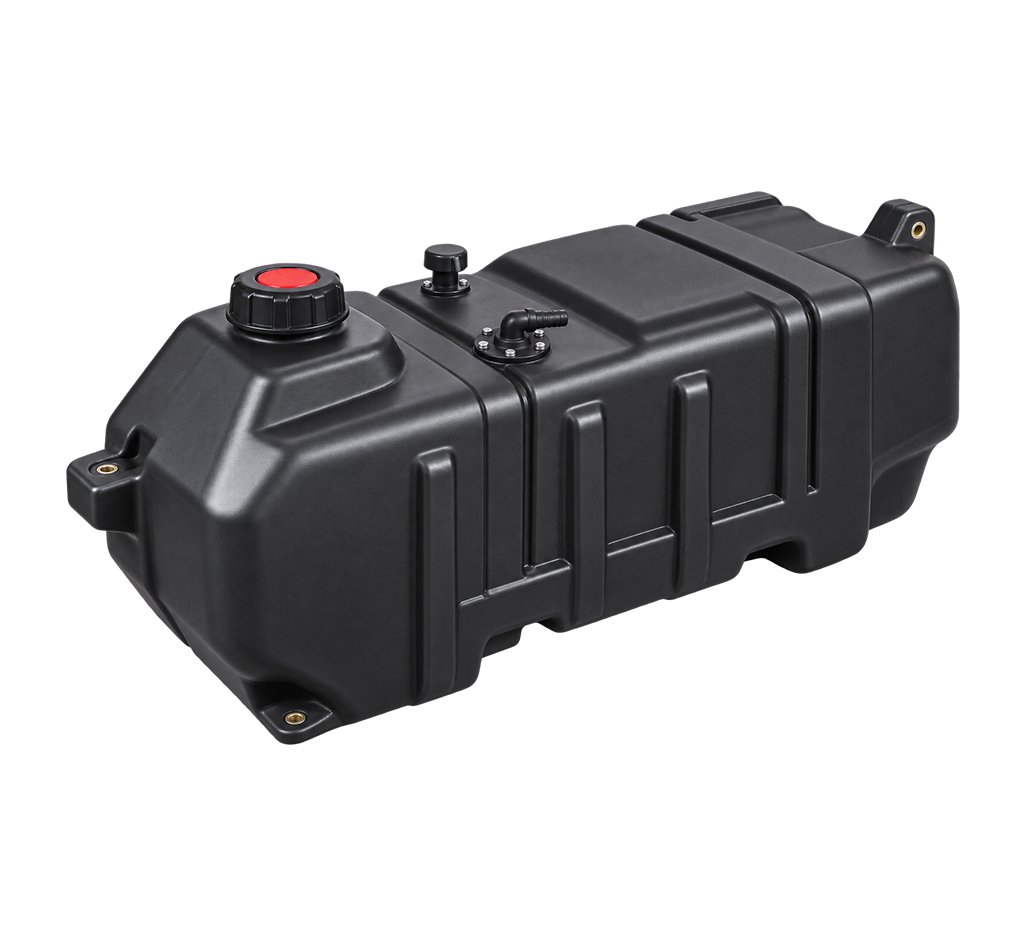
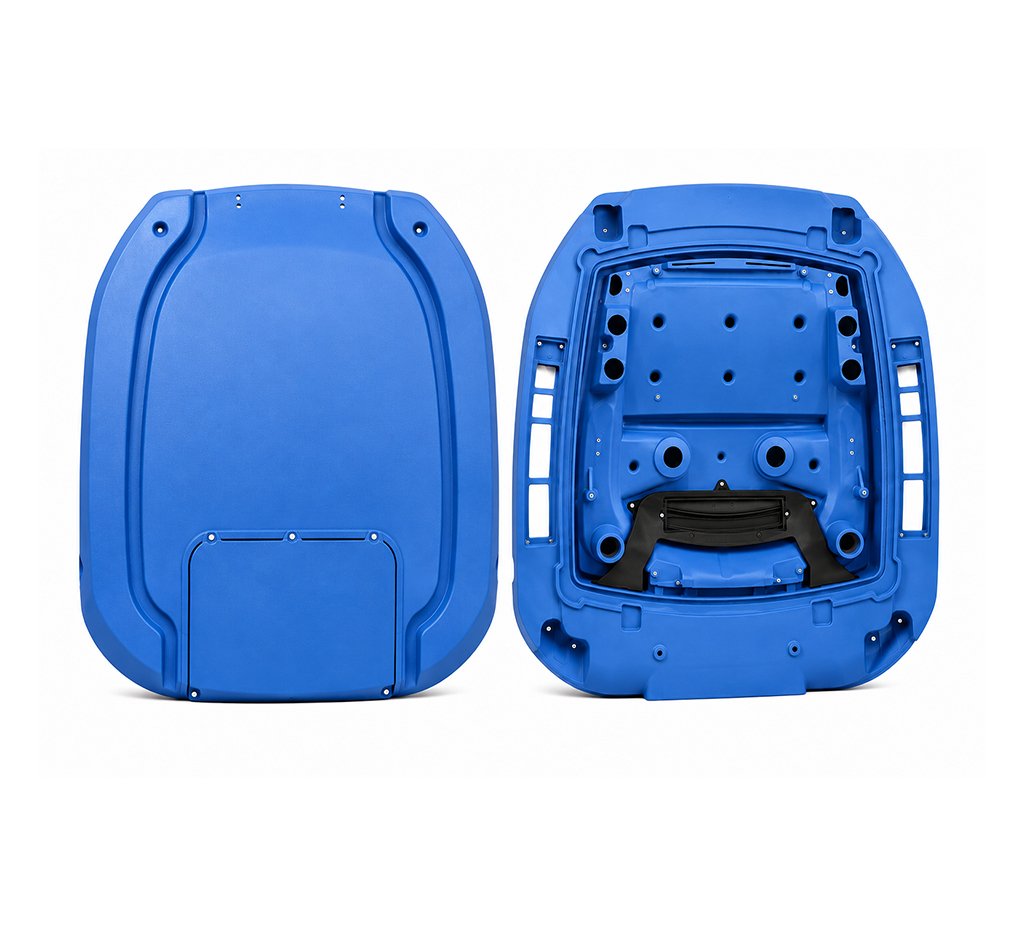
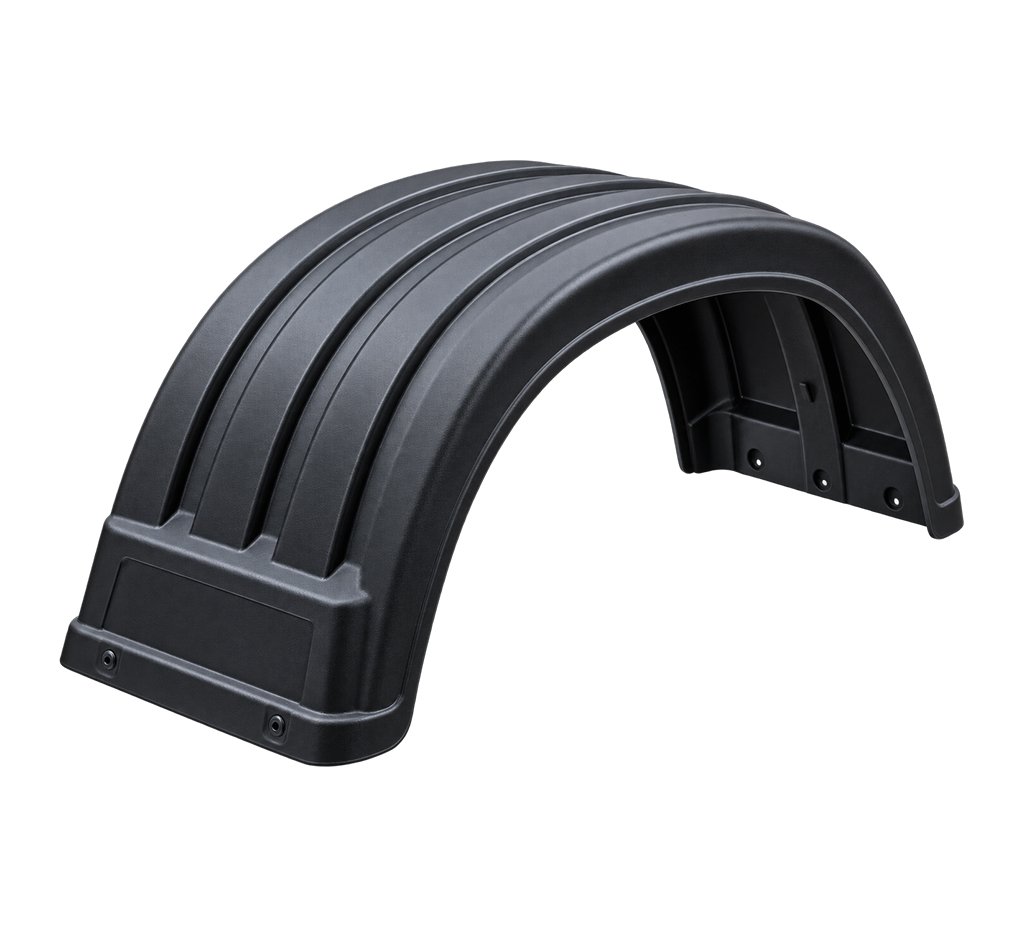
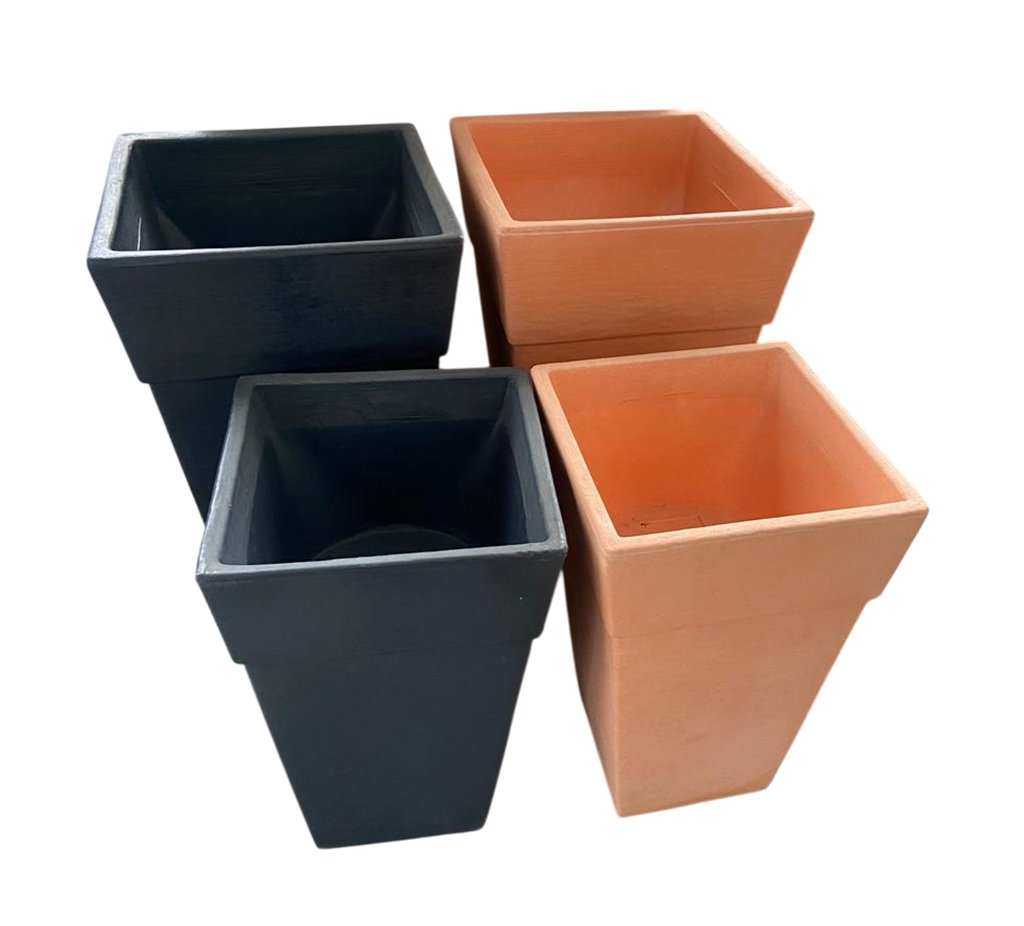
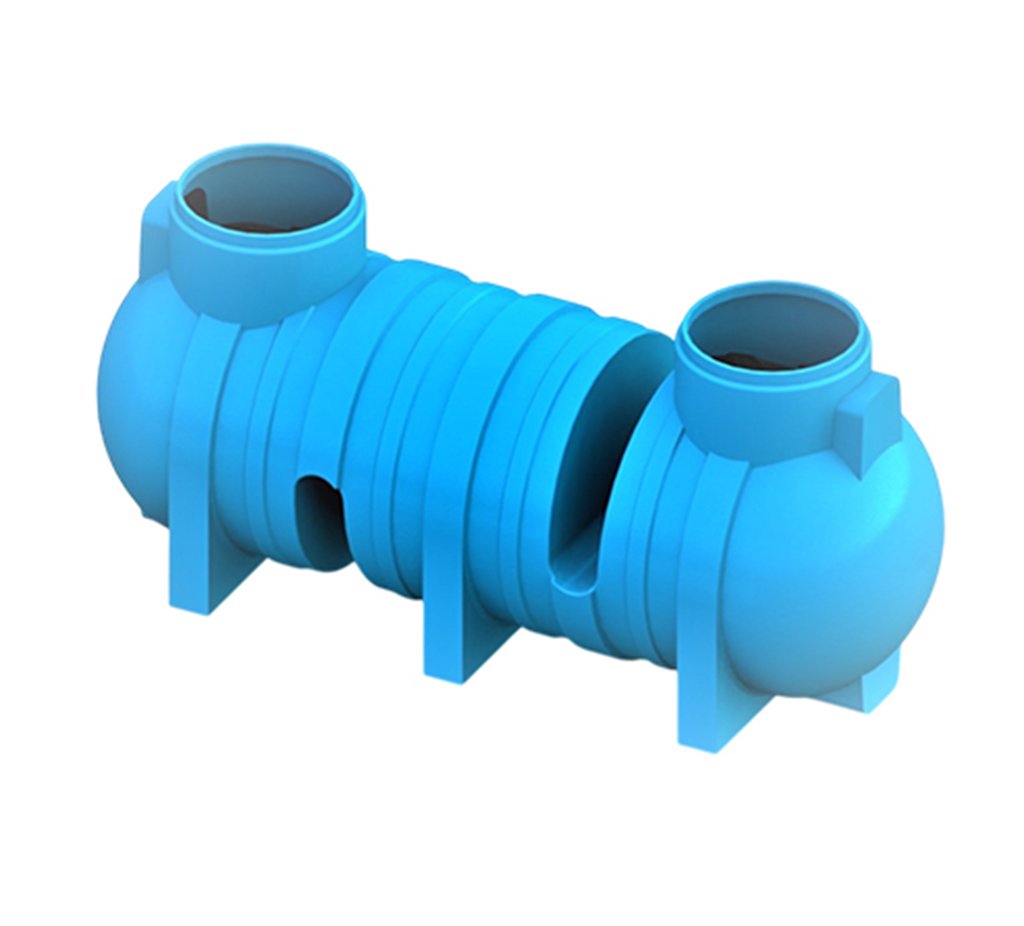
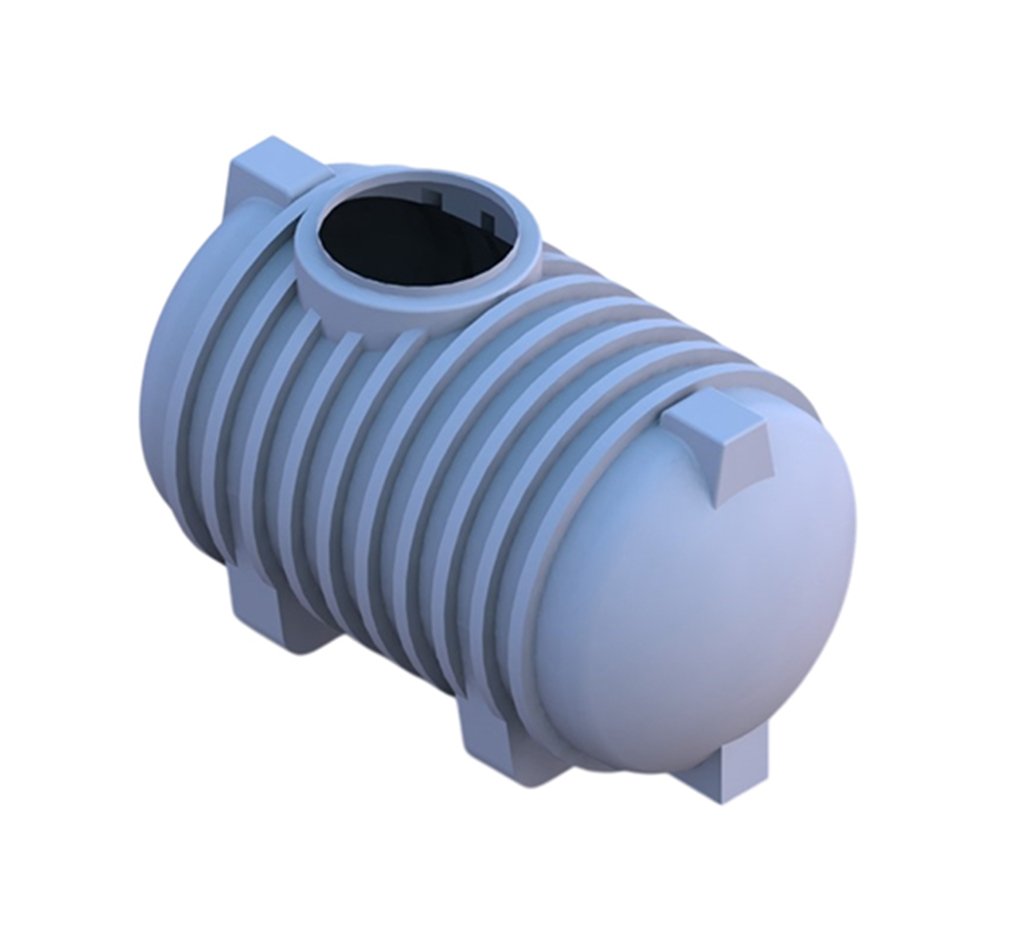
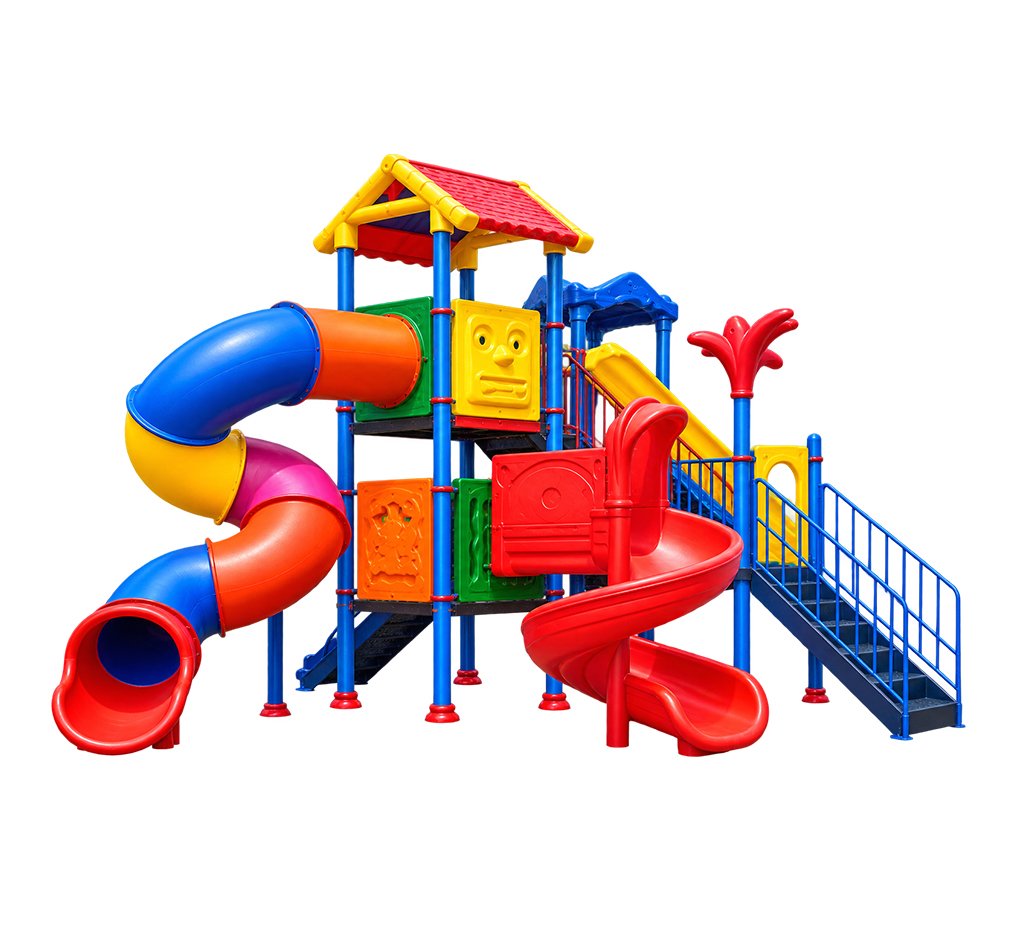
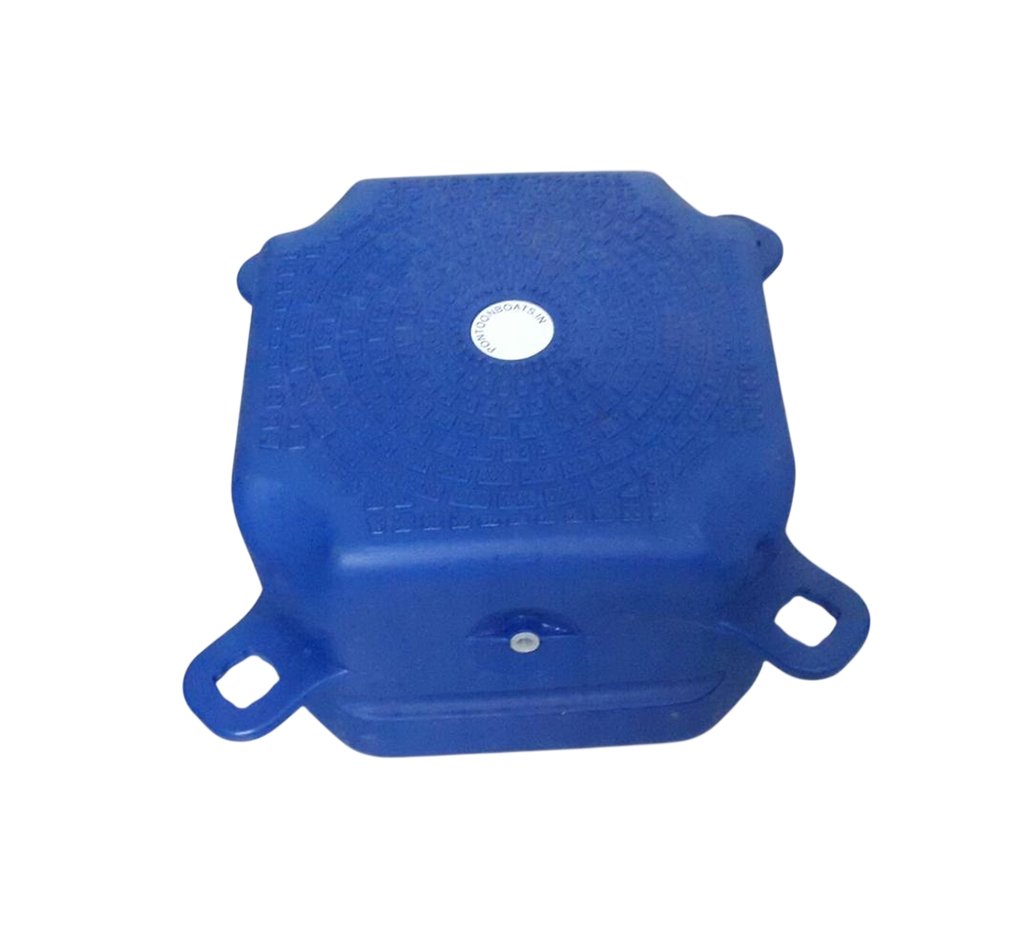
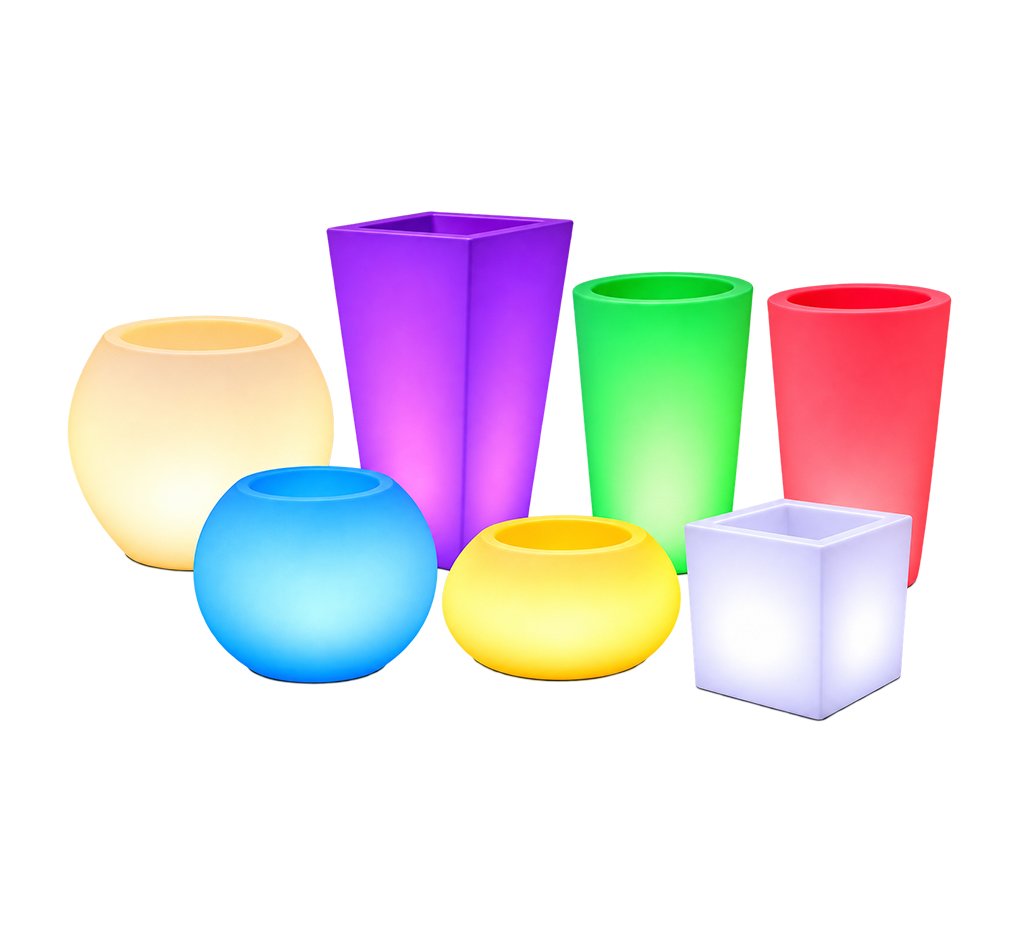
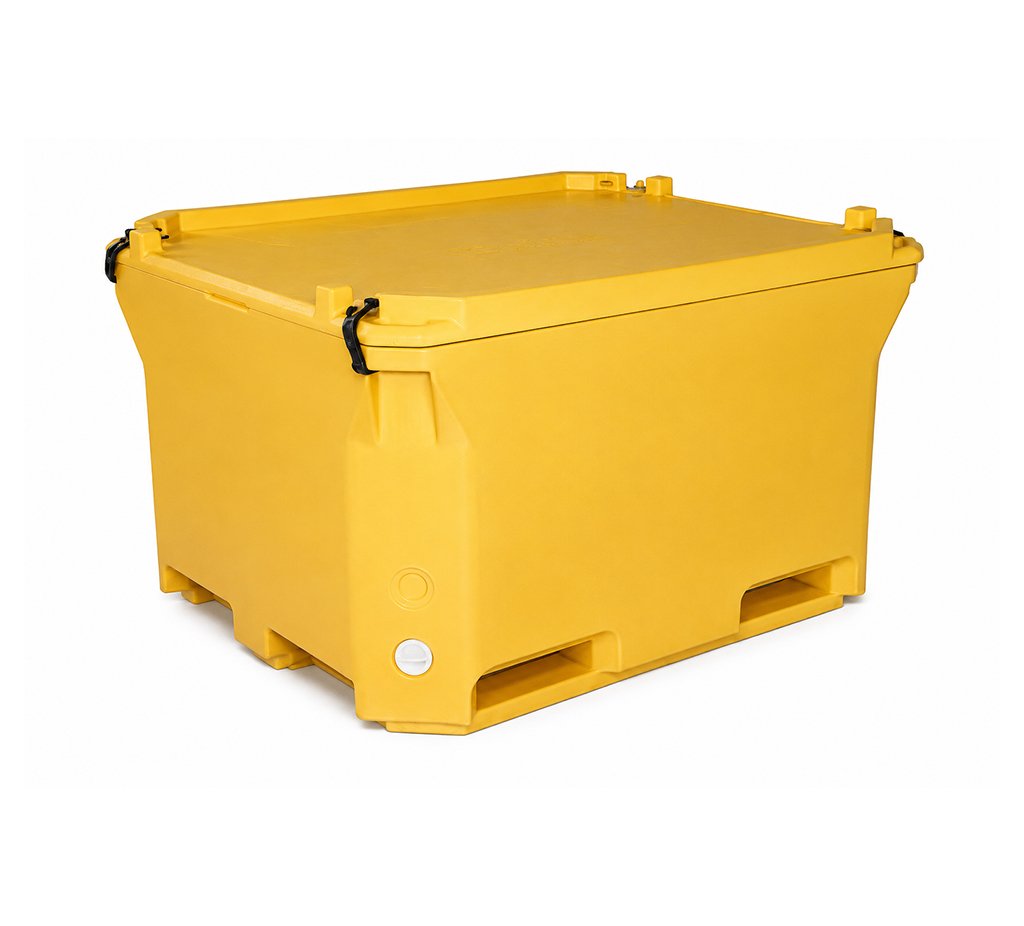
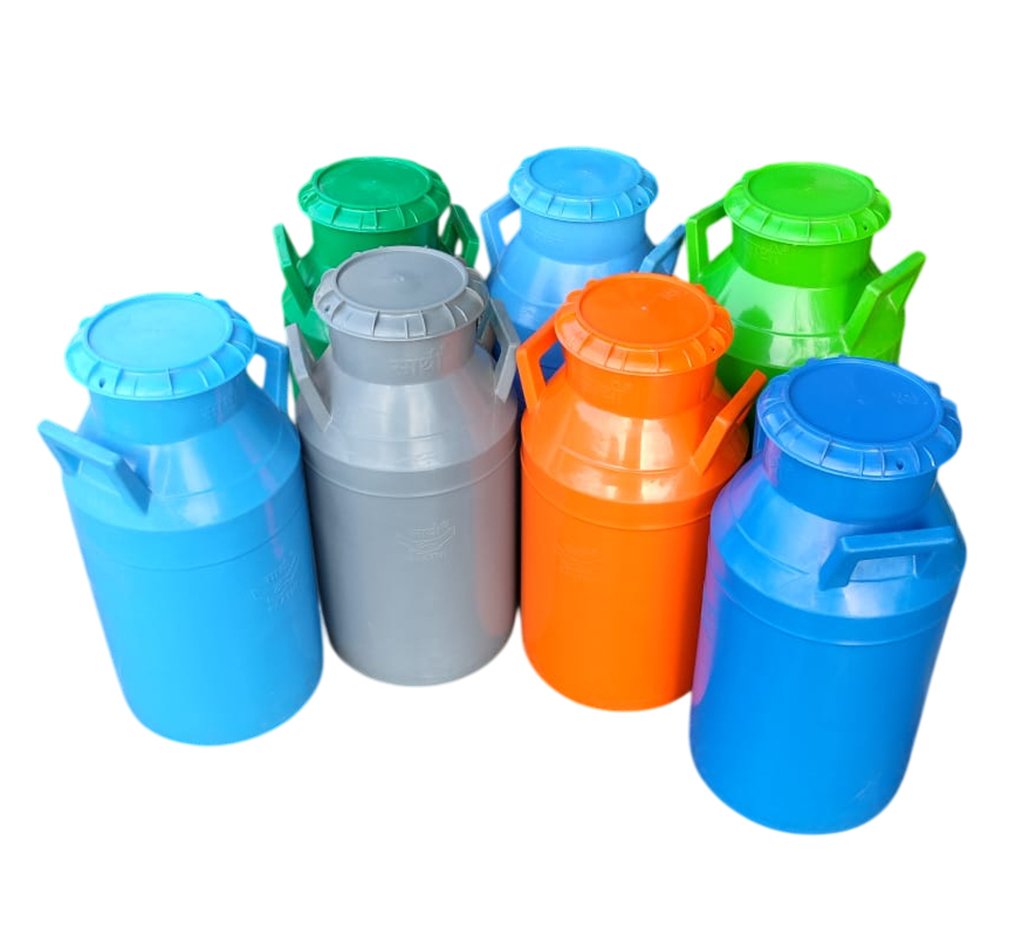
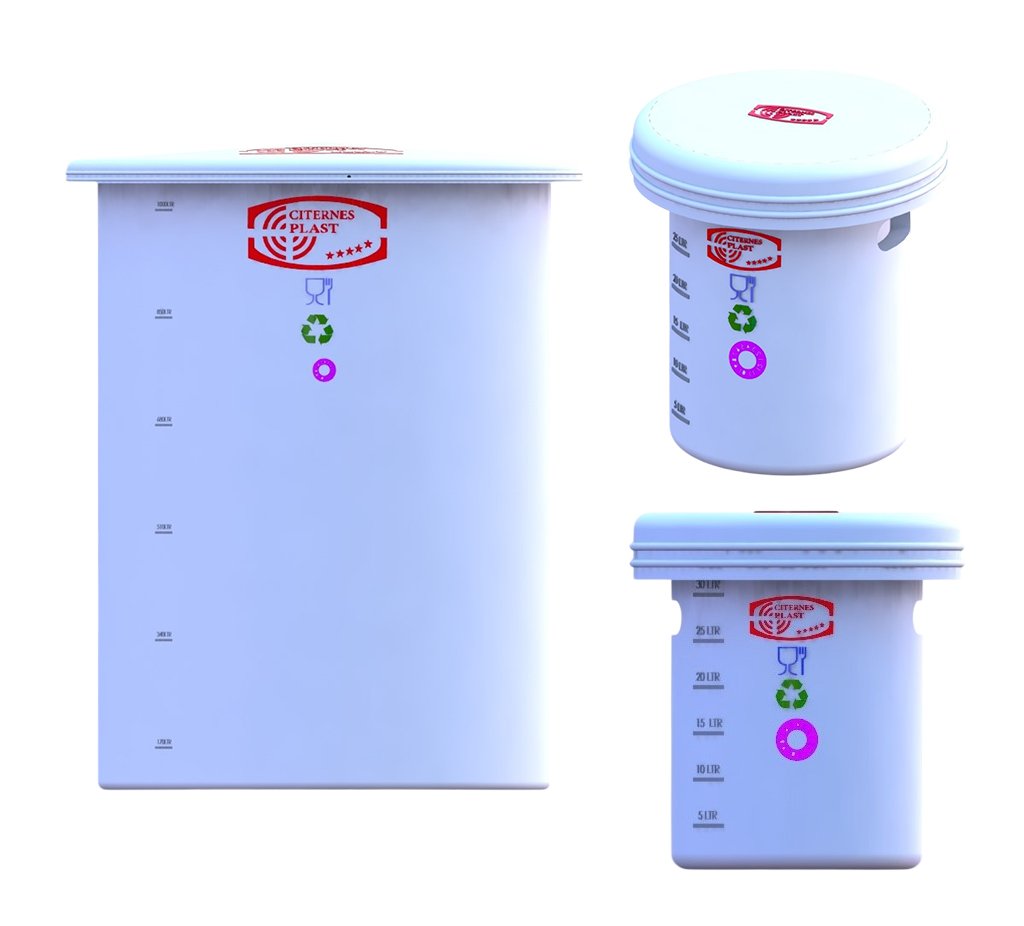
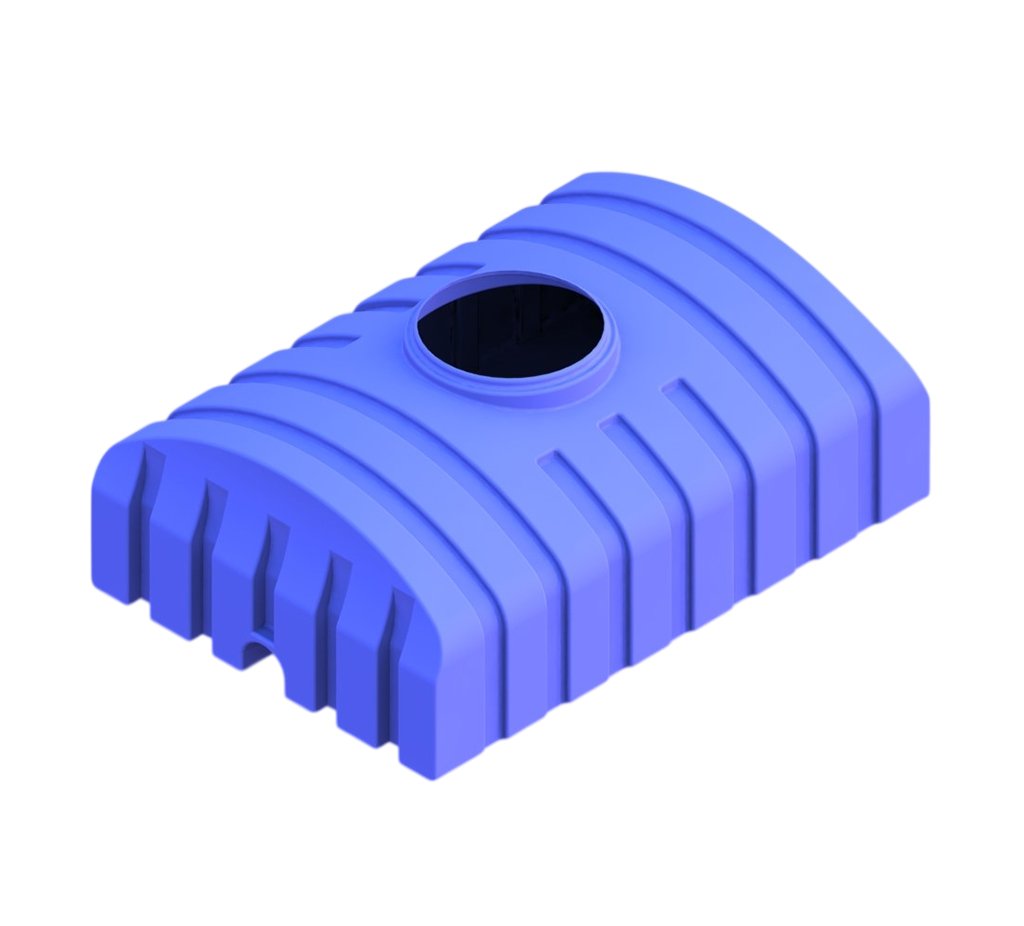
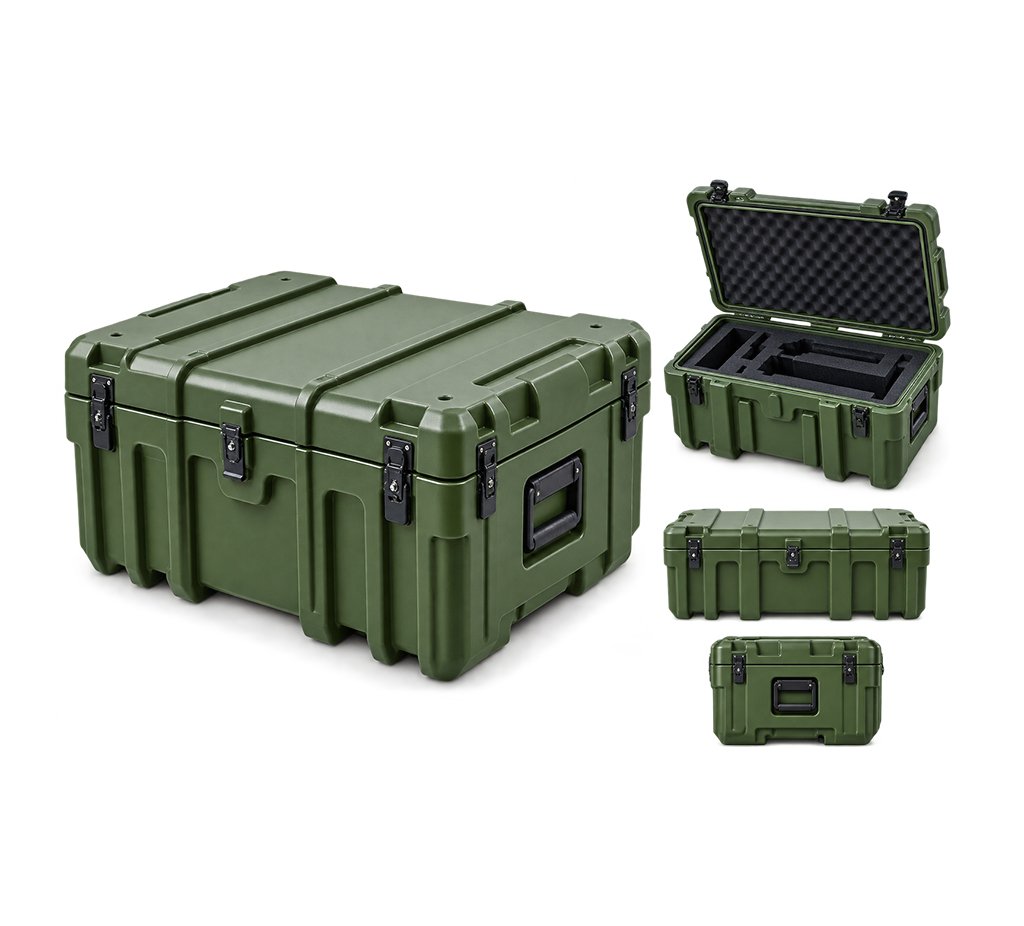
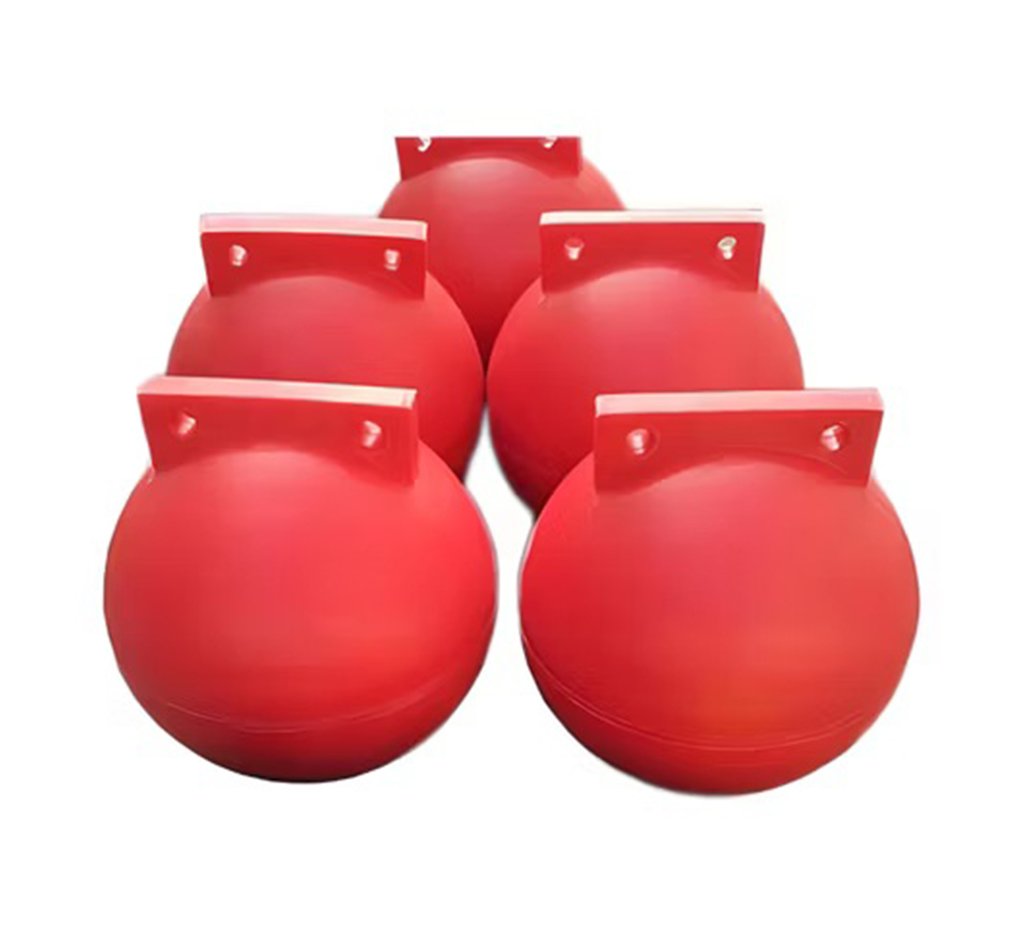
These molds are used to produce a wide range of plastic products including water storage tanks, septic tanks, containers, road barriers, playground equipment, marine components, and industrial storage systems.

Key Features

Rotational rotomoulding moulds are designed with several features that support consistent product manufacturing.

These characteristics ensure stable production and reliable mold performance over extended periods.

Technical Specifications

Specification Details
Mold Material
Mild Steel / Aluminum
Manufacturing Method
Fabrication / CNC Machining
Surface Finish
Polished / Textured
Product Type
Hollow Plastic Components
Temperature Resistance
High Heat Tolerance

Working Principle

The functioning of a rotomoulding mould is closely integrated with the rotational molding machine and follows a sequential heating and cooling cycle.

Material Loading

A measured quantity of plastic powder is placed inside the mould cavity before the molding cycle begins. The amount of powder determines the wall thickness of the final product.

Heating Stage

The mould is mounted on a rotating arm and transferred to a heating chamber. As the mould rotates along two perpendicular axes, the plastic powder melts and spreads across the internal surfaces.

Material Distribution

Continuous rotation allows molten plastic to coat the inner walls evenly, forming a uniform layer along the mould cavity.

Cooling Phase

After the plastic material has fully coated the cavity, the mould is moved to a cooling station where the product solidifies while still rotating.

This method ensures seamless construction and consistent wall thickness throughout the product.

Construction and Design Mechanism

The design of rotomoulding moulds requires careful engineering to ensure durability, thermal efficiency, and ease of product release.

Mold Body

The main structure of the mould forms the cavity that determines the shape of the final product.

Parting Line

Most moulds consist of two or more sections joined together along a parting line, allowing easy removal of the finished product.

Clamping System

Clamps or bolts secure the mould sections during the molding cycle to prevent leakage of molten material.

Venting System

Vents are included to allow air to escape during heating and prevent internal pressure buildup.

Mounting Brackets

These brackets connect the mould securely to the rotating arm of the rotomoulding machine.

Surface Finish

Internal surfaces of the mould are polished or textured to achieve the desired surface finish on the molded product.

Industrial Applications

Water Storage

Water Storage

Agricultural

Agriculture

Automotive

Automotive

Construction

Construction

Marine

Marine

Advantages of Rotational Rotomoulding Moulds

Rotomoulding moulds offer several benefits for plastic manufacturing.

Seamless Product Formation

Products are manufactured without joints or weld lines.

Flexible Product Design

Complex hollow shapes can be created using customized mold designs.

Uniform Wall Thickness

Controlled rotation allows plastic material to spread evenly inside the mold.

Lower Tooling Cost

Compared to some other molding processes, tooling costs can be relatively economical.

Limitations of Rotational Rotomoulding Moulds

Although rotomoulding molds provide many advantages, certain limitations should also be considered.

Longer Production Cycles

Rotational molding generally requires longer processing time compared to injection molding.

Limited Surface Detailing

Extremely fine design details may be difficult to reproduce.

Material Compatibility

The process primarily supports polyethylene and similar thermoplastic materials.

Mold Weight

Large molds can be heavy and may require specialized handling equipment.

Why Choose N Line Roto Pvt. Ltd.

N Line Roto Pvt. Ltd., formerly known as Neelam Roto Plast, was established in 2006 and has developed extensive expertise in the field of rotational molding machinery and mould manufacturing. The organization is involved in manufacturing and supplying various types of rotomolding machinery, molds, and supporting equipment used in plastic processing industries.

The company utilizes modern manufacturing facilities and quality-approved components to produce reliable machinery and mould solutions that meet international standards. With a skilled team of engineers, technicians, and industry professionals, the organization focuses on delivering efficient solutions for plastic product manufacturing.

In addition to supplying equipment, the company also provides consultancy, installation support, and turnkey project assistance for clients who are planning to establish rotational molding production units. With years of experience in the industry, the company continues to serve customers across different regions and international markets.

Frequently Asked Questions (FAQs)

What are rotational rotomoulding moulds used for?

They are used to manufacture hollow plastic products through the rotational molding process.

Which materials are used to manufacture rotomoulding moulds?

Common materials include mild steel, aluminum, and sometimes stainless steel.

What products can be made using these molds?

Products include water tanks, containers, road barriers, septic tanks, and playground equipment.

Do rotomoulding molds require high pressure?

No, the process relies on heat and rotation rather than pressure.

How long does a rotomoulding mold last?

With proper maintenance, molds can last for many years of production cycles.

Are custom molds available?

Yes, molds can be designed according to specific product requirements.

What determines the wall thickness of the product?

The amount of plastic powder loaded into the mold determines wall thickness.

Can inserts be added to the mold?

Yes, metal inserts can be incorporated into the mold design.

How are molded products removed from the mold?

The mold is opened along its parting line after the cooling cycle.

Is rotational molding suitable for large products?

Yes, it is ideal for producing large hollow plastic items.

What surface finishes can be achieved?

Molds can produce smooth, textured, or patterned surfaces.

Are molds compatible with different machines?

Most molds are designed to work with specific rotomoulding machine configurations.

How is mold temperature controlled?

Temperature is controlled through the heating and cooling cycles of the machine.

Are molds reusable?

Yes, molds are designed for repeated production cycles.

Is mold maintenance required?

Periodic cleaning and inspection are recommended.

Can molds produce multi-layer products?

Yes, specialized molds can support multi-layer molding processes.

What industries use rotomoulding molds?

Water storage, agriculture, marine, construction, and consumer goods industries.

Are molds expensive to manufacture?

Costs depend on product size, complexity, and material used.

What factors affect mold performance?

Material quality, thermal design, and manufacturing precision.

Can molds be modified later?

Yes, certain design modifications can be made depending on mold construction.

Conclusion

Rotational rotomoulding moulds are fundamental tools in the production of hollow plastic products across multiple industries. Their design determines the shape, durability, and overall quality of the final molded component. By enabling uniform material distribution without the need for high pressure, these molds support efficient and reliable manufacturing.

With careful engineering, durable materials, and proper maintenance, rotomoulding molds provide long-term operational reliability and consistent product quality. As industries continue to demand strong, lightweight, and corrosion-resistant plastic products, rotational molding technology and mold design will remain essential components of modern plastic manufacturing.

Download Brochure


    This will close in 0 seconds

    Rotational Rotomoulding Moulds