Ancillary Machine
- Home
- /
- Ancillary Machine
Ancillary machines play an important role in the plastic processing and rotational molding industry. These machines support the main production equipment by preparing raw materials, processing plastic scrap, mixing additives, and converting plastic materials into usable forms required for manufacturing operations.
In a typical plastic production facility, ancillary equipment ensures that raw materials are properly processed before they are used in the molding process. These machines improve production efficiency, maintain consistent material quality, and reduce waste during manufacturing.
Plastic processing plants often rely on multiple auxiliary machines to perform tasks such as grinding scrap materials, pulverizing plastic granules into powder, mixing polymers with additives, and converting plastic material through extrusion. By integrating these machines into the production workflow, manufacturers can maintain smooth operations and achieve higher productivity.
Ancillary equipment is therefore considered a vital component of any modern plastic manufacturing facility.
Role of Ancillary Machines in Plastic Manufacturing
In plastic production plants, ancillary machines perform supporting functions that are essential for maintaining production efficiency. These machines handle material preparation, recycling, and processing before or after the main molding operation.
Without ancillary equipment, manufacturers would face challenges such as inconsistent raw material quality, increased waste, and slower production cycles.
Ancillary machines provide several important functions including:
- Preparation of plastic powder or granules
- Recycling of plastic scrap materials
- Mixing of polymers with pigments and additives
- Cutting and shaping of plastic sheets or materials
- Processing raw polymers into usable forms
Because of these capabilities, ancillary equipment helps maintain production continuity and improve overall operational efficiency in plastic processing facilities.
Key Features
Ancillary machines are designed to enhance the efficiency, accuracy, and smooth functioning of the overall manufacturing process. Their advanced features help streamline operations, reduce manual intervention, and improve productivity across different stages of production.
- Robust and durable construction for long-term performance
- High operational efficiency with minimal energy consumption
- Precision-engineered components for accurate processing
- User-friendly controls for easy operation and monitoring
- Seamless integration with primary rotational molding machines
- Automated or semi-automated functionality to reduce manual effort
- Consistent material handling and processing capability
- Low maintenance requirements with easy servicing access
- Compact design for space optimization
- Enhanced safety features for operator protection
These features ensure that ancillary machines contribute significantly to improving production quality, reducing downtime, and achieving smooth, efficient manufacturing operations.
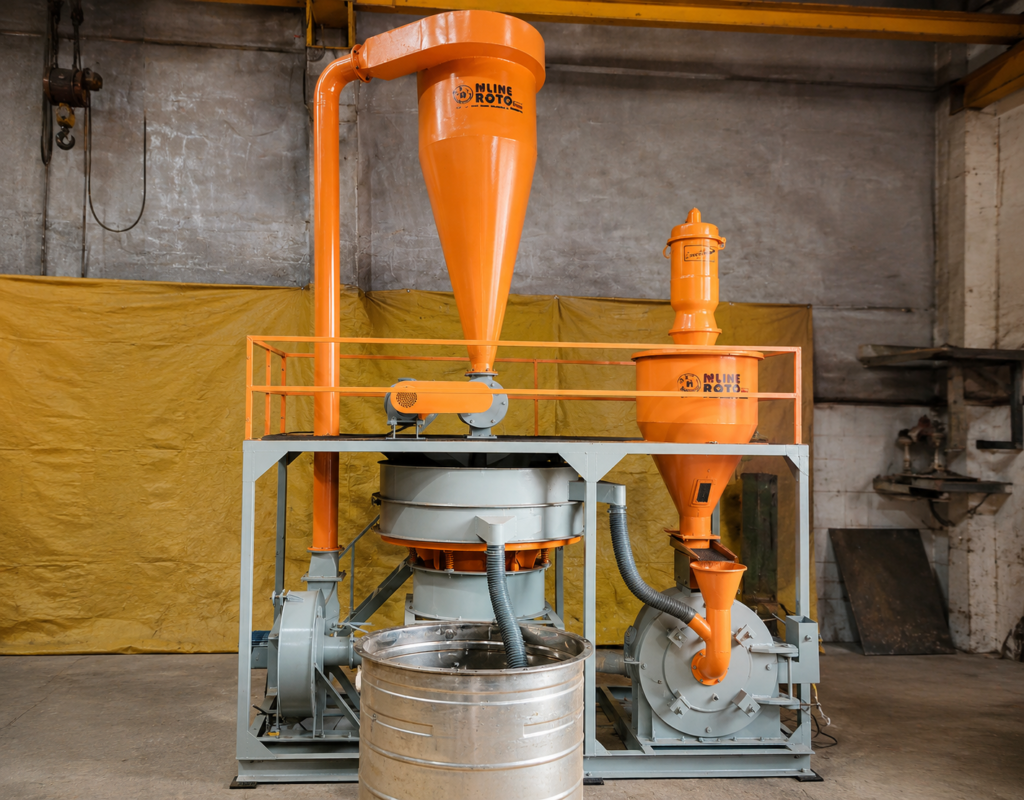
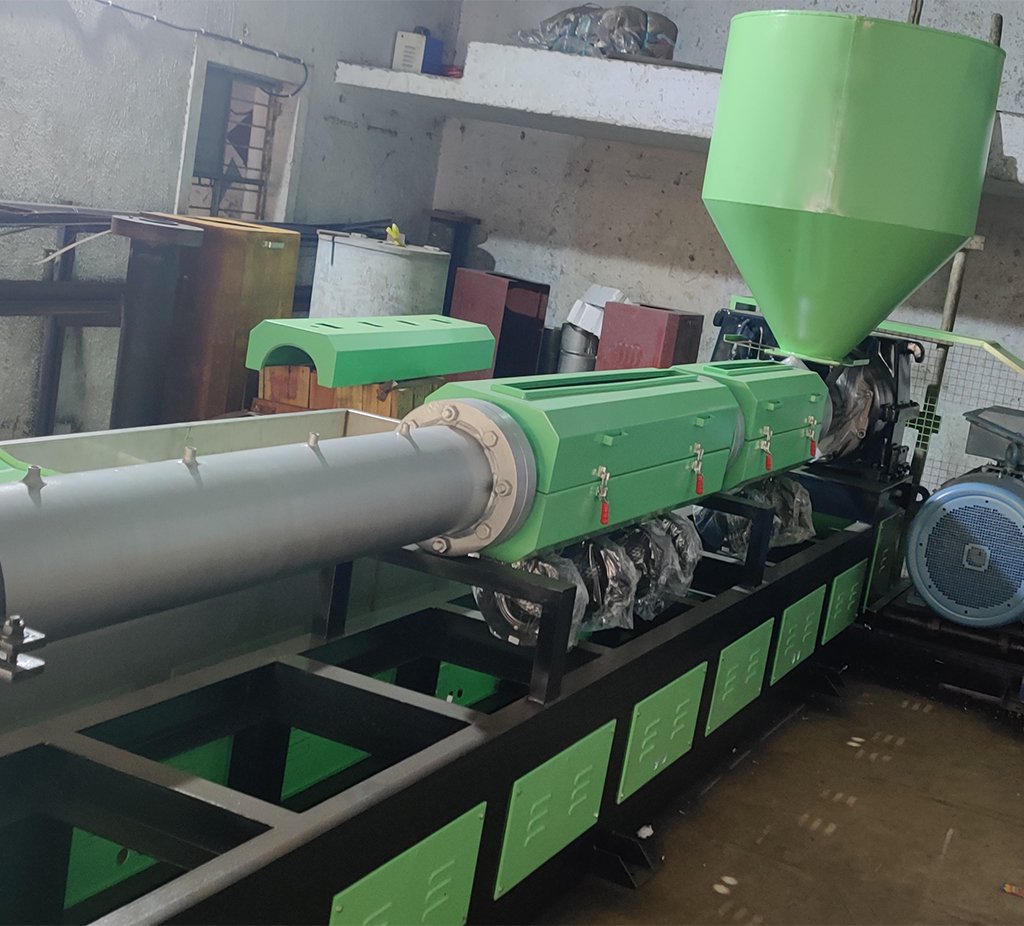
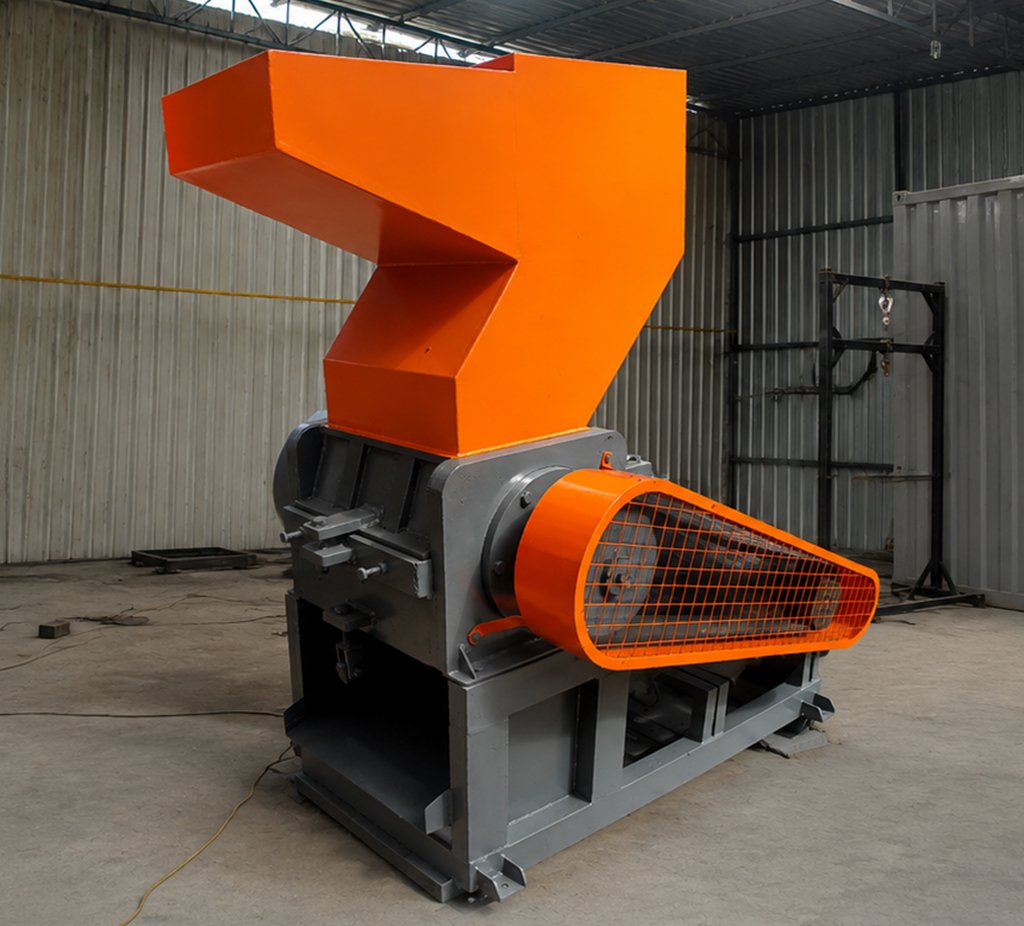
Types of Ancillary Machine
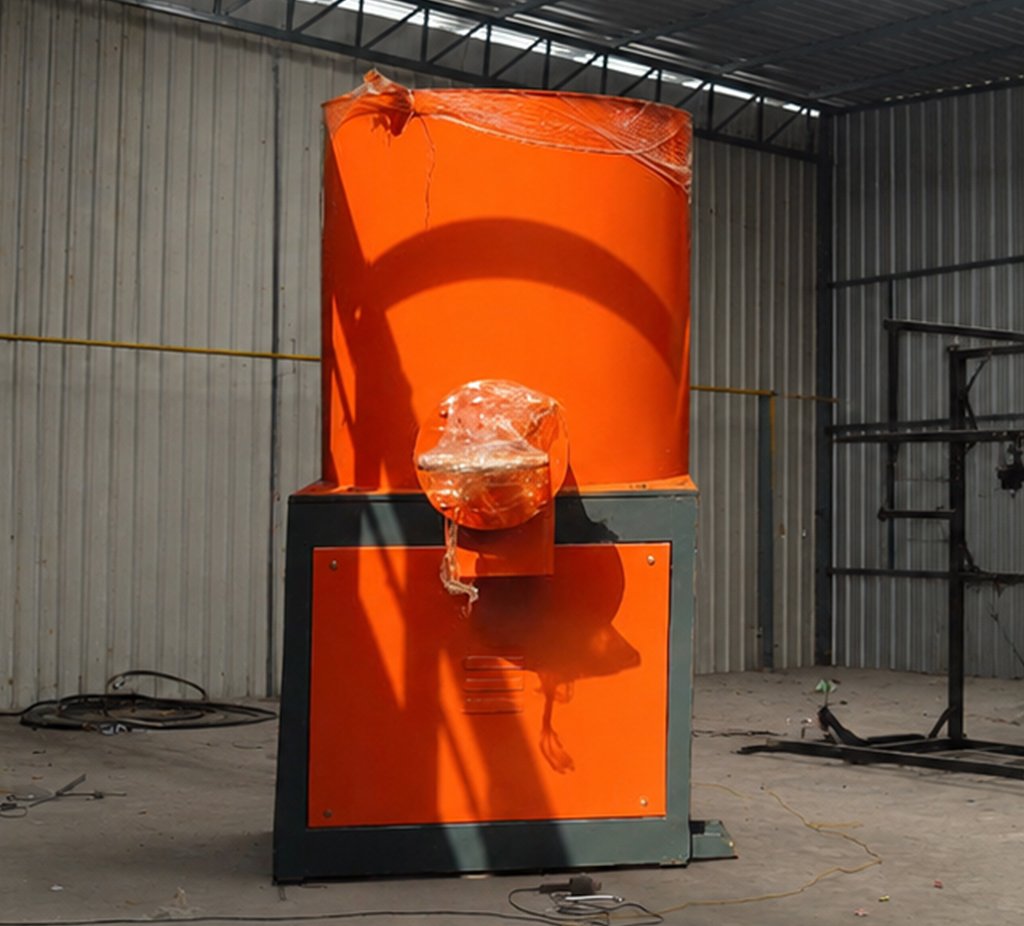
Technical Specifications
| Specification | Details |
|---|---|
|
Machine Type |
Rotational Moulding Machine |
|
Power Supply |
Electric |
|
Voltage |
415 V |
|
Phase |
Three Phase |
|
Control System |
PLC |
Advantages of Ancillary Machines
Ancillary equipment provides several benefits for plastic manufacturing operations.
Improved Production Efficiency
Supporting machines streamline the preparation and processing of raw materials.
Material Recycling
Scrap grinding machines allow plastic waste to be reused, reducing material loss.
Consistent Material Quality
Mixing and pulverizing equipment ensures uniform material properties.
Flexible Manufacturing
Different ancillary machines allow manufacturers to process various types of plastic materials.
Limitations of Ancillary Machines
Although ancillary machines provide many advantages, certain limitations should also be considered.
Additional Equipment Investment
Setting up ancillary machines requires additional capital investment.
Space Requirements
Multiple machines may require considerable factory floor space.
Energy Consumption
Certain machines such as pulverizers and extruders consume significant power.
Maintenance Requirements
Regular maintenance is necessary to maintain machine performance.
Why Choose N Line Roto Pvt. Ltd.
N Line Roto Pvt. Ltd., formerly known as Neelam Roto Plast, was established in 1993 and has built strong expertise in rotational molding machinery and plastic processing equipment.
The company manufactures a wide range of rotomoulding machinery and supporting equipment designed to improve production efficiency in the plastic industry. With a focus on quality engineering and customer satisfaction, the organization provides reliable machinery solutions for manufacturing plants.
Key strengths include:
- Advanced manufacturing infrastructure
- Experienced engineers and technicians
- Customized machinery solutions
- Turnkey project execution
- Technical consultancy and troubleshooting support
- Global export capabilities
Under the leadership of Mr. Dinesh Panchal, the company continues to provide innovative machinery solutions to clients across the plastic manufacturing industry.
Frequently Asked Questions (FAQs)
Ancillary machines are supporting equipment used to prepare, process, or recycle plastic materials during manufacturing.
They improve production efficiency and ensure consistent material quality.
Common machines include pulverizers, extruders, scrap grinders, mixers, and cutting machines.
It converts plastic granules or scrap into fine powder used in rotational molding processes.
It melts plastic material and shapes it into continuous profiles through a die.
It recycles plastic waste by grinding scrap material into reusable particles.
It is used to cut plastic sheets or molded parts into required sizes.
It mixes plastic raw materials with additives and pigments.
Yes, they are essential for material preparation and recycling.
Yes, recycled plastic particles can often be reused in production.
Common materials include polyethylene, polypropylene, and other thermoplastics.
Modern machines are designed with energy-efficient motors and systems.
Basic technical knowledge is required to operate and maintain them.
Yes, machines can be designed according to production needs.
Regular inspection and cleaning help maintain machine efficiency.
Yes, they are widely used in plastic recycling facilities.
Yes, they streamline material preparation and reduce downtime.
Yes, industrial machines are designed for high production capacity.
Yes, they are used in various plastic processing sectors.
Yes, recycling and grinding equipment significantly reduce material waste.